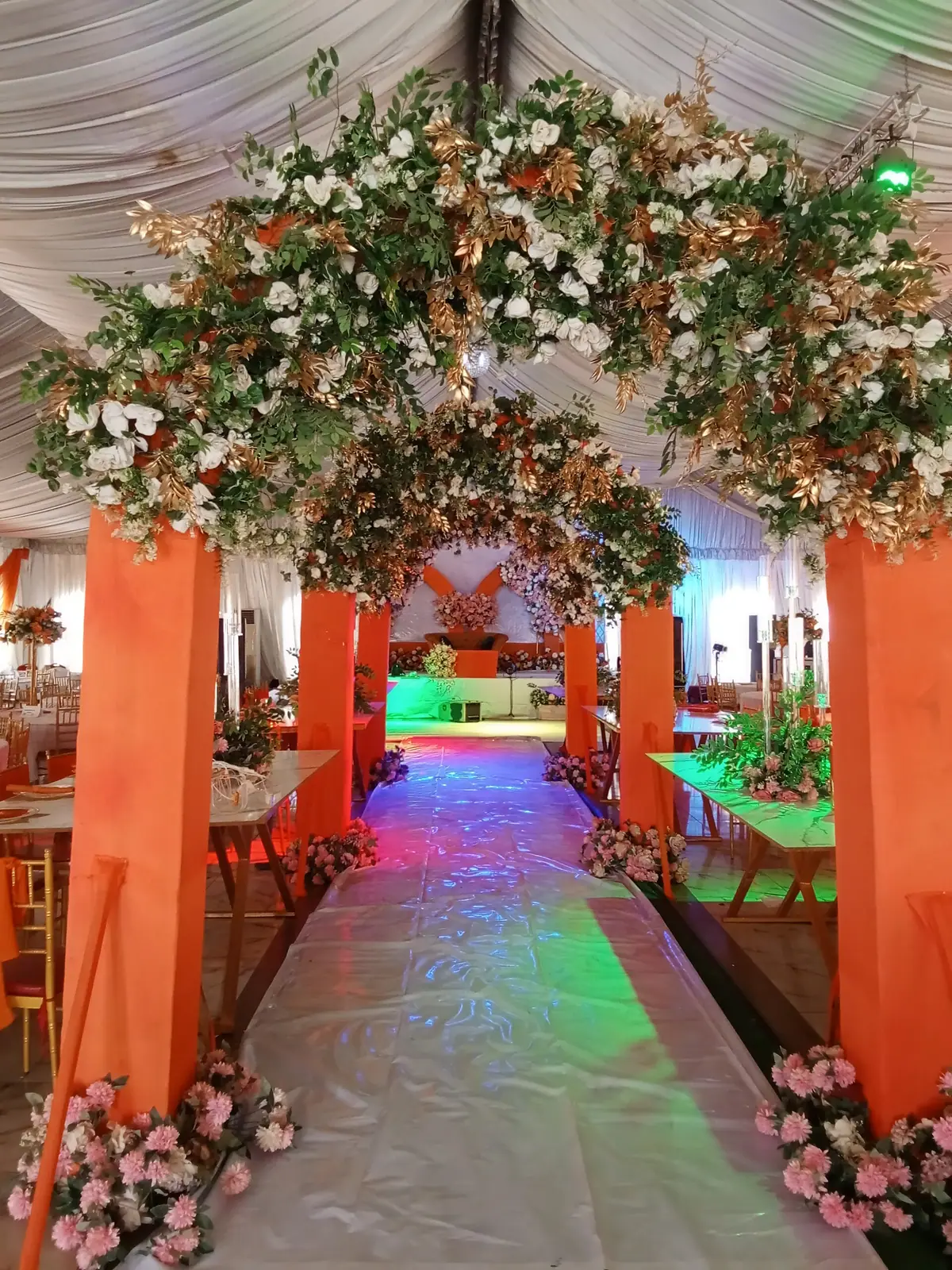
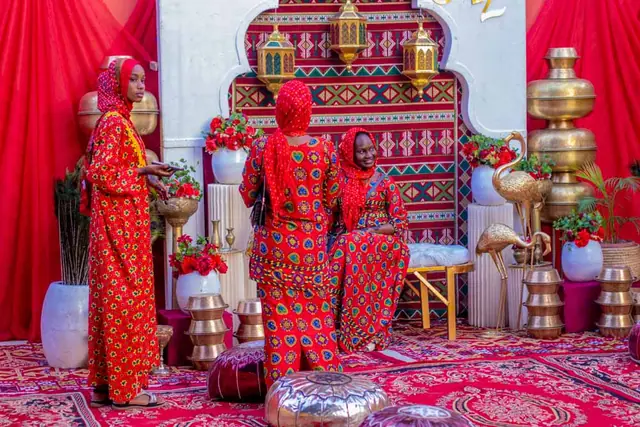
Some Nigerian couples plan more than one ceremony. There may be a traditional wedding, a white wedding, a religious service, a registry marriage, or a mix. Each one is its own event, with its own date, guests and costs.
This guide does not tell you what your traditions require. Those differ from family to family and community to community. It helps you decide what to settle first, so the rest is easier.
This is general information, not legal advice.
Treat each ceremony as a separate project
For every ceremony, write down:
| Decide | Why it matters |
|---|---|
| Date and time | Vendors book by date |
| Place | Affects travel, power, setup time and capacity |
| Guest count | Drives food, drinks, chairs and souvenirs |
| Who is hosting | Decides who approves choices and who pays |
| Budget | Keep a separate budget for each ceremony |
| Outfits and aso ebi | Fittings need weeks, not days |
| Who leads on the day | One person each vendor can call |
Settle these first, in this order
- The order and rough dates of the ceremonies. Everything else depends on this.
- The legal marriage route and its timing. See the next section.
- A rough guest range for each ceremony. Start with a range, then narrow it.
- A budget for each ceremony. Our budget guide shows how.
- Who handles what. Agree this between families and the couple before vendors are contacted.
- Which vendors might cover more than one ceremony. Ask whether one vendor can do both and agree a separate price for each.
Talk to both families early
For the customary side, practices differ by family and community. The Federal Ministry of Interior marriage FAQ (opens in a new tab) describes customary, Islamic and statutory marriage as different options, and it says government does not keep a record of customary and Islamic marriages. No website can list what every family expects. A simple way to start is to agree three things together:
- List the items both families expect.
- Agree who handles each item.
- Confirm the dates and who will attend.
Write the answers down and share them with everyone involved.
If you plan a marriage under the Marriage Act
Some couples also complete a statutory marriage at a registry or at a place of worship that is approved for it. Ask the registry which route applies to you, and use their answer.
The Federal Ministry of Interior marriage FAQ (opens in a new tab) says a marriage cannot take place on the same day as the filing. It says an ordinary marriage is after 21 days and a special marriage is after 7 days, and that processing can take up to those periods. It lists Form A (Notice of Marriage), Form C (Licence to Marry or Registrar's Certificate) and Form E (Marriage Licence).
A law firm explanation of statutory marriage (opens in a new tab) describes notice to the registrar, publication, a registrar's certificate and the wedding within three months. That is the firm's reading of the Marriage Act, not an instruction from the registry. The two sources do not use the same words for the timing, so do not treat either page as the only answer.
Ask early, because a notice period can shape the whole timeline. If you want the marriage to take place at a church or other place of worship, ask both the place of worship and the registry whether that is allowed.
Work backwards from each date
For each ceremony, list the tasks that take time: booking in demand vendors, fittings for outfits, invitations, the final food numbers, and confirming arrival times. The free SkillConnect planner suggests lead times for these and shows them as deadlines. They are suggestions, and you can change any of them.
Sharing vendors across ceremonies
If a photographer or decorator covers both ceremonies, ask for a clear written price for each one. In the planner you can record one agreement that covers both ceremonies, split into two parts, so your totals are right.
A short checklist
- Dates for each ceremony (or a target month)
- Marriage registry contact made, if you plan a statutory marriage
- Guest range per ceremony
- Budget per ceremony
- Family roles agreed in writing
- Vendors shortlisted per ceremony
- Outfit plans and fitting dates
You can add more than one ceremony, each with its own date, guests and budget.